Financing Your Roof Replacement: Options for Local Homeowners


A new roof represents one of the most important investments you'll make in your home, but the cost can feel overwhelming. For homeowners across West Virginia and western Maryland, roof replacement typically costs $8,000-$20,000 or more depending on size and materials. The good news? You have multiple financing options that can make this essential project affordable without draining your savings or delaying necessary repairs.
Understanding your financing choices helps you move forward confidently, protecting your home before minor problems become major disasters. Whether you're dealing with storm damage in Cumberland, an aging roof in Morgantown, or planning an upgrade in Hagerstown, the right financing solution makes quality roofing accessible.
Why Delaying Roof Replacement Costs More
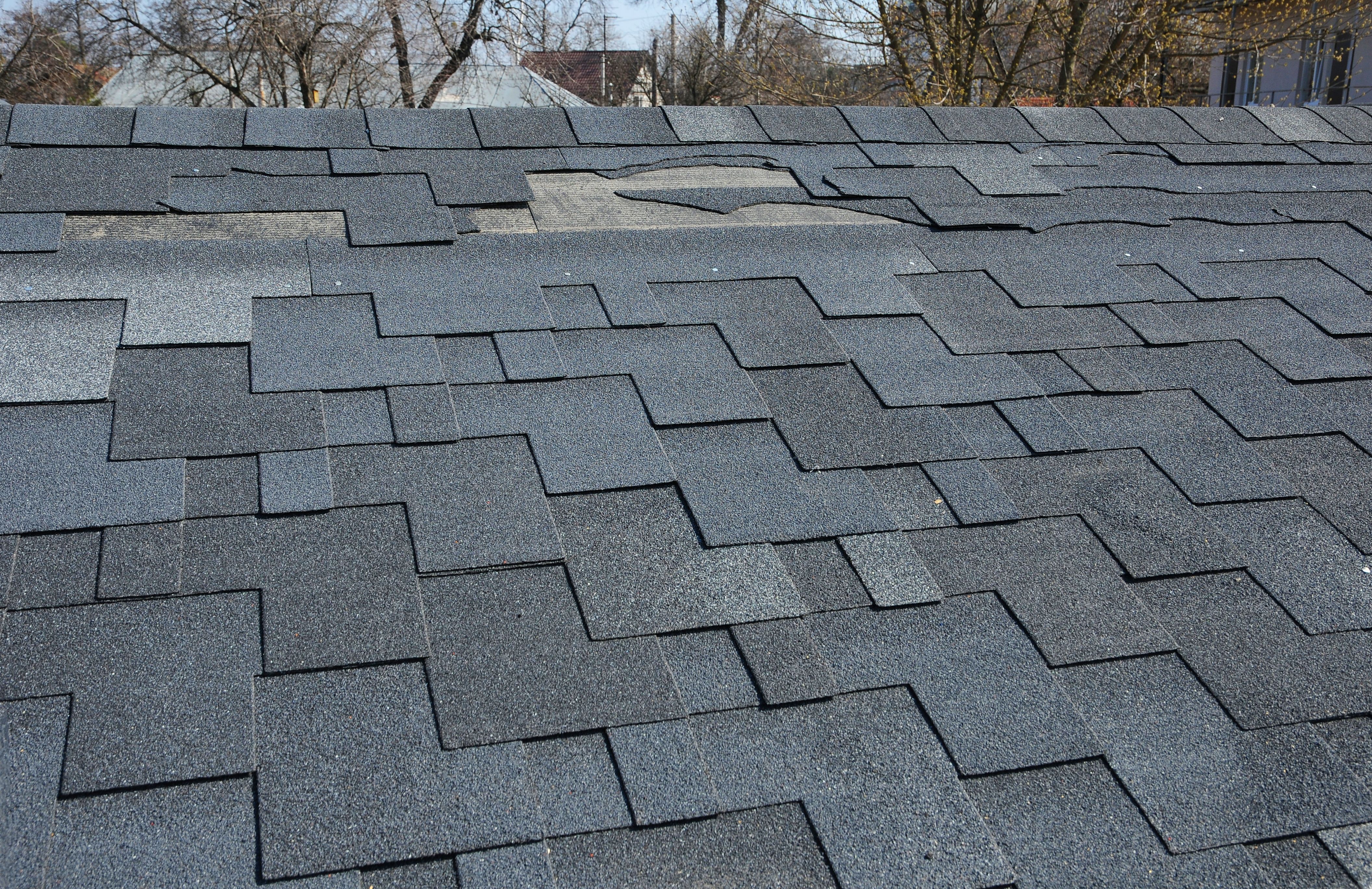
When your roof shows signs of failure, waiting rarely saves money. Small leaks quickly escalate into major problems in West Virginia and Maryland's demanding climates. Water infiltration damages insulation, rots roof decking and framing, ruins drywall and ceilings, and promotes mold growth that affects your family's health.
A minor repair that costs $500 today can become a $15,000 emergency when ignored. Water damage spreads through your home's structure, often invisibly, until a ceiling collapses or electrical problems arise. Insurance companies may deny claims for damage resulting from deferred maintenance, leaving you paying the entire bill.
Your home's energy efficiency suffers with a failing roof. Compromised insulation and air sealing force your HVAC system to work harder, raising utility bills month after month. Over several years, you might spend thousands extra on heating and cooling that could have funded part of your roof replacement.
Property value takes a hit when your roof visibly fails. Curled, missing, or stained shingles signal neglect to potential buyers. When you eventually sell, expect to reduce your asking price by more than the roof replacement would have cost, or complete the work anyway under pressure with less favorable terms.
Cash Payment: When It Makes Sense
Paying cash for roof replacement offers clear advantages if you have sufficient savings. You avoid interest charges, simplify the transaction, and sometimes negotiate better pricing when contractors don't need to coordinate with lenders. Cash payment works well when you've planned ahead and saved specifically for this expense.
However, depleting your emergency fund for roof replacement isn't advisable. Financial experts recommend maintaining 3-6 months of expenses in readily accessible savings. If paying cash would leave you vulnerable to other emergencies, financing makes more sense even if you could technically afford to pay in full.
Consider the opportunity cost of cash payment. If your savings earn returns in investments or high-yield accounts, low-interest financing might cost less than withdrawing those funds. Run the numbers comparing investment returns against financing costs to make the most economical choice.
Cash payment eliminates the application process, credit checks, and approval waiting periods. For urgent roof replacement after storm damage, having cash available means work begins immediately without delays. This speed matters when your home needs protection quickly.
Home Equity Loans: Traditional Financing Option
Home equity loans provide lump-sum financing secured by your home's equity. If you've owned your West Virginia or Maryland home for several years and built substantial equity, these loans offer competitive interest rates typically ranging from 6-10% depending on market conditions and your credit profile.
You receive the full loan amount upfront and repay it over a fixed term, usually 5-15 years, with predictable monthly payments. This structure works well for roof replacement since you know exactly what you're paying and can budget accordingly. Interest may be tax-deductible if the loan funds home improvements, though tax laws change so consult your accountant.
Home equity loans require formal applications with income verification, credit checks, and property appraisals. The process takes several weeks from application to funding, so plan accordingly if your roof needs immediate attention. Closing costs typically run $500-$1,500, adding to your total expense.
Using your home as collateral means the lender can foreclose if you default on payments. While this risk exists with any secured loan, it's worth considering carefully. Ensure the monthly payment fits comfortably in your budget before committing to a home equity loan.
Home Equity Lines of Credit (HELOC): Flexible Borrowing
HELOCs function like credit cards secured by your home equity. You're approved for a credit line up to a certain amount and draw only what you need, paying interest only on the borrowed amount. This flexibility appeals to homeowners tackling multiple projects or unsure of exact costs until contractors inspect their roof.
Interest rates on HELOCs typically vary with the prime rate, meaning your payments can fluctuate. Initial rates often run lower than fixed home equity loans, making HELOCs attractive for short-term financing. If you plan to repay quickly, you might save considerable interest compared to fixed-rate options.
The draw period usually lasts 10 years, during which you can borrow, repay, and borrow again up to your limit. After the draw period ends, you enter the repayment period where you pay down the balance over typically 10-20 years. This structure requires discipline to avoid accumulating debt.
HELOCs involve similar application processes, costs, and risks as home equity loans. Your home secures the line of credit, so defaulting puts your property at risk. Carefully evaluate whether variable rates and the temptation to overborrow make a HELOC right for your situation.
Personal Loans: Unsecured Financing Alternative
Personal loans don't require home equity, making them accessible to newer homeowners or those with limited equity. Lenders base approval on your credit score, income, and debt-to-income ratio rather than property value. This unsecured nature means faster approval and funding, often within days.
Interest rates on personal loans typically run higher than secured options, ranging from 7-20% or more depending on your creditworthiness. However, for smaller roof repairs or when you need funding quickly, personal loans provide valuable flexibility without risking your home as collateral.
Loan amounts usually max out at $50,000, sufficient for most residential roof replacements in West Virginia and Maryland. Terms generally span 2-7 years with fixed monthly payments, making budgeting straightforward. No closing costs or appraisals streamline the process significantly.
Your credit score heavily impacts both approval odds and interest rates for personal loans. Excellent credit (740+) qualifies you for the best rates, while fair credit (640-699) means higher costs. Check your credit score before applying and address any errors that might hurt your application.
Credit Cards: Short-Term Solution
Credit cards finance smaller roof repairs or serve as temporary solutions while you arrange better financing. If you have available credit and can repay quickly, credit cards offer immediate access to funds without application processes or approval delays.
Many credit cards offer promotional 0% APR periods ranging from 6-21 months. If you can repay the full balance during this promotional period, you essentially get an interest-free loan. This strategy works well for homeowners expecting bonuses, tax refunds, or other income that will cover the balance soon.
Standard credit card interest rates typically range from 16-25%, making them expensive for long-term financing. Carrying large balances also hurts your credit utilization ratio, potentially lowering your credit score. Use credit cards strategically for roof financing, not as a permanent solution.
Some roofing contractors accept credit cards directly, while others require checks or electronic payments. Ask about payment methods and whether credit card payments incur processing fees that increase your total cost.

E&E Exteriors Financing Through Hearth
At E&E Exteriors, we've partnered with Hearth to make roof replacement accessible and affordable for West Virginia and Maryland homeowners. Hearth specializes in home improvement financing, offering streamlined applications and quick decisions so you can move forward with necessary roof work without delay.
Our Hearth financing program provides multiple loan options tailored to different credit profiles and budgets. Whether you have excellent credit or have faced financial challenges in the past, Hearth works to find a solution that fits your situation. Most homeowners receive approval decisions within minutes, not days or weeks.
Loan amounts through Hearth range from $2,500 to $100,000, covering everything from minor roof repairs to complete replacement projects on larger homes. Terms extend from 12 months up to 12 years, giving you flexibility to choose monthly payments that work with your budget. Longer terms mean lower monthly payments, while shorter terms minimize total interest paid.
Interest rates vary based on your creditworthiness, loan amount, and chosen term. Hearth's competitive rates often beat traditional personal loans and credit cards, making professional roof replacement more affordable. Some promotional offers include deferred interest periods where you pay no interest if you repay within a specific timeframe.
The application process happens right during your estimate appointment with E&E Exteriors. Our team helps you complete the simple online application using your smartphone, tablet, or computer. You'll need basic information like your name, address, income, and Social Security number. The soft credit check during pre-qualification doesn't affect your credit score.
Once approved, funds go directly to E&E Exteriors as work progresses, not to you personally. This arrangement protects both you and us, you're not responsible for paying contractors directly, and we're assured payment upon completing each project milestone. Your monthly payments begin according to your loan terms, typically after work is completed.
Hearth financing includes no prepayment penalties, giving you flexibility to pay off your loan early if you receive a windfall, bonus, or tax refund. Early payoff saves interest charges and frees up your budget sooner. This flexibility makes Hearth financing ideal for homeowners who want payment options without long-term commitment.
Unlike some contractor financing that requires perfect credit, Hearth works with a range of credit scores. While better credit qualifies you for lower rates and better terms, homeowners with fair or even some challenged credit may still find approval. This accessibility helps more families protect their homes with quality roofing when they need it most.
The entire process, from application through approval to project start, can happen in the same day for qualified borrowers. This speed matters when storm damage requires immediate attention or when a failing roof threatens your home's interior. You don't need to wait weeks for traditional bank financing while your home remains vulnerable.
E&E Exteriors chose Hearth specifically because of their focus on home improvement lending and their commitment to transparent, fair financing. There are no hidden fees, no surprises, and no pressure. We want you to feel confident about both your roofing investment and how you're paying for it.
Government Programs and Grants
FHA Title I Property Improvement Loans help homeowners finance improvements including roof replacement. These loans don't require home equity and offer favorable terms, though approval involves meeting FHA requirements. Maximum loan amounts and available terms depend on your property type and loan structure.
The USDA offers home repair loans and grants through its Section 504 program for rural homeowners meeting income requirements. If your West Virginia or Maryland property qualifies as rural and your income falls within program limits, you might receive very low-interest loans or even grants to fund necessary roof repairs.
State and local programs occasionally offer energy efficiency incentives or weatherization assistance that might help fund roof replacement, particularly when combined with insulation upgrades. Check with your county's housing department or local utility companies about available programs in your area.
Veterans may qualify for VA renovation loans or cash-out refinancing options that fund roof replacement at favorable rates. If you're a veteran or active service member, explore VA programs before pursuing conventional financing.
Insurance Claims: When Storm Damage Occurs
Homeowners insurance covers roof damage from sudden events like storms, hail, and wind. If recent weather damaged your roof, file a claim before pursuing financing options. Insurance might cover most or all replacement costs minus your deductible, dramatically reducing out-of-pocket expenses.
Document storm damage immediately with photos and detailed notes about the date and type of weather event. Contact your insurance company promptly, many policies require timely reporting. Delaying your claim might result in denial if the insurance company argues you allowed damage to worsen through neglect.
Having a professional roofing contractor inspect your roof and provide documentation strengthens your claim. Experienced contractors understand what insurance adjusters look for and can identify all damage qualifying for coverage. Some contractors, like E&E Exteriors, assist with the claims process, advocating for complete repairs rather than inadequate patches.
Your deductible still requires payment even when insurance covers the rest. Financing options can cover your deductible if you don't have cash available, making insurance claims accessible even without significant savings.
Comparing Financing Options: Making the Right Choice
Consider total cost when comparing financing options. Calculate interest paid over the loan term, not just monthly payments. A longer term with lower payments might cost more overall due to additional interest charges. Online loan calculators help you compare true costs across different options.
Match your loan term to your expected time in the home. If you plan to sell within a few years, shorter loan terms prevent paying off home improvement loans at closing. Conversely, if you're staying long-term, longer terms with lower payments might better suit your budget.
Approval speed matters when your roof needs immediate attention. Emergency repairs can't wait weeks for conventional loan approval. Know which options fund quickly, personal loans and contractor financing typically offer fastest access while home equity loans take longest.
Evaluate your risk tolerance around secured versus unsecured debt. Putting your home up as collateral reduces interest rates but increases consequences of default. Unsecured options cost more but don't risk foreclosure if financial hardship prevents payment.
Improving Your Financing Options
Your credit score dramatically affects financing availability and costs. Before applying for roof replacement financing, check your credit reports for errors and dispute any inaccuracies. Even small credit score improvements can significantly reduce interest rates and monthly payments.
Reduce existing debt before applying for additional financing. Lower debt-to-income ratios improve approval odds and qualify you for better terms. If possible, pay down credit cards and other revolving debt before seeking roof replacement financing.
Shop multiple lenders for the best rates and terms. Different financial institutions offer varying rates even for similar products. Compare at least three options, but do so within a short timeframe, multiple credit inquiries for the same purpose within 14-45 days typically count as a single inquiry for scoring purposes.
Consider a co-signer if your credit or income limits financing options. A co-signer with strong credit and income can help you qualify for better terms, though they assume equal responsibility for repayment. Only ask someone who understands the obligation and trusts your ability to repay.
Questions to Ask Contractors About Financing
When discussing financing with your roofing contractor, ask specific questions to understand your options fully. What financing companies do they partner with? What are the qualification requirements? What interest rates and terms are available based on your credit profile?
Understand promotional offers completely. How long is the promotional period? What happens if you don't repay in full by the deadline? Are there penalties for early payment? What fees does the financing include?
Clarify what the financing covers. Does it include just materials and labor, or also permits, disposal fees, and potential additional work discovered during installation? Can you increase the loan amount if hidden damage requires unexpected repairs?
Ask about the application and approval process timeline. How quickly can you get approved? When will funding be available? Can work begin before final approval or must you wait for complete processing?
Planning Ahead for Future Roof Replacement
Even if you're not ready for roof replacement yet, planning ahead makes financing easier when the time comes. Start a dedicated savings account for home maintenance, contributing regularly so funds accumulate for eventual roof replacement and other major expenses.
Research financing options before you need them. Understanding available programs, qualification requirements, and typical terms helps you prepare. You might improve your credit score, pay down debt, or build equity, positioning yourself for better financing when your roof needs replacement.
Schedule regular roof inspections to track its condition and anticipate replacement timing. Knowing you have 2-3 years before replacement becomes necessary gives you time to save, improve your financial position, and research contractors and financing thoroughly rather than making rushed decisions during an emergency.
Consider the timing of major purchases and financial decisions around anticipated roof replacement. Avoid taking on new debt or making large purchases that might affect your credit score or debt-to-income ratio right before you need roof financing.
Making Your Decision
Choosing the right financing for your roof replacement depends on your specific situation, home equity, credit score, income stability, urgency, and personal preferences all factor into the best choice. No single option works for everyone, so evaluate each against your circumstances.
Don't let financing concerns delay necessary roof work. A failing roof causes escalating damage that costs far more than any interest charges. Taking action now with affordable financing protects your home and your family while preventing catastrophic failures that might not be fully covered by insurance.
Work with contractors who understand financing challenges and offer multiple solutions. Reputable companies like E&E Exteriors partner with financing providers and help you explore all available options, finding solutions that fit your budget and timeline.
Your roof protects your most valuable investment, your home. Whether you choose home equity financing, personal loans, contractor financing programs, or other options, quality roof replacement pays for itself through prevented damage, energy savings, and peace of mind.
Ready to Discuss Your Roof Replacement and Financing Options?
At E&E Exteriors, we understand that financing concerns shouldn't stand between you and a safe, secure home. We work with multiple financing partners to offer solutions for virtually any credit situation and budget. During your free inspection and estimate, we'll discuss available financing options and help you find the approach that works best for your circumstances.
Our team serves homeowners throughout West Virginia and western Maryland with quality roofing solutions and transparent pricing. We'll walk you through every step, from initial inspection through financing approval and project completion, ensuring you feel confident and informed throughout the process.
Contact E&E Exteriors today to schedule your free roof inspection and discuss financing options that make quality roofing accessible and affordable. Don't let financing worries delay the protection your home needs.