
Ice Dam or Just Icicles? How to Know the Difference


Winter in West Virginia, Maryland, Pennsylvania, and Virginia brings beautiful snow-covered landscapes, and often, icicles hanging from our rooflines. While icicles might look like a harmless part of winter scenery, they can actually be warning signs of a serious problem: ice dams. Understanding the difference between harmless icicles and ice dams can save you thousands of dollars in damage to your roof, siding, and home interior.
Let's break down what you're really looking at when you see ice forming on your home, how to identify ice dams before they cause major damage, and why acting quickly matters.
What Are Icicles, Really?
Icicles form when water drips from your roof edge and freezes before it falls to the ground. This is completely normal in winter weather and doesn't necessarily indicate a problem. On a sunny winter day, snow on your roof might melt slightly, and that water runs to the edge where it drips and freezes, creating those familiar pointed formations.
Small to moderate icicles along your gutters, especially after a sunny day following snowfall, are usually nothing to worry about. They're just physics doing its thing, water melting, running, and refreezing. However, the size, location, and pattern of icicles can tell you a lot about what's happening on your roof.
What Are Ice Dams?
Ice dams are a completely different situation, though they often start with the same melting process. An ice dam forms when snow on your roof melts, flows down toward the gutters, and then refreezes at the roof's edge, creating a barrier or "dam" of ice. This dam prevents additional melting snow from draining off your roof properly. Instead, water backs up behind the ice dam and can seep under your shingles, eventually finding its way into your home.
The key difference is this: icicles are just frozen drips, while ice dams are thick ridges of ice that trap water on your roof. Ice dams lead to leaks, water damage, ruined insulation, damaged ceilings and walls, mold growth, and significant damage to both roofing and siding. This is why any roofing contractor will tell you that ice dams require immediate attention.
How Ice Dams Form in Our Region
Understanding how ice dams develop helps you recognize them early. The process typically happens like this: Heat escapes from your home into your attic, often due to inadequate insulation or poor ventilation. This heat warms the underside of your roof deck, which melts the snow sitting on top of your roof. The melted water runs down the roof until it reaches the eaves, which extend beyond your home's heated space and remain cold. When the water hits this cold section, it refreezes, gradually building up a ridge of ice.
Our region's temperature fluctuations make ice dam formation particularly common. We frequently see daytime temperatures warm enough to cause melting, followed by freezing overnight temperatures. This freeze-thaw cycle, combined with homes that have heat loss issues, creates perfect ice dam conditions throughout winter.
Visual Clues: Ice Dam vs. Harmless Icicles
So how do you tell the difference? Here are the key visual indicators to watch for when examining your roofline.
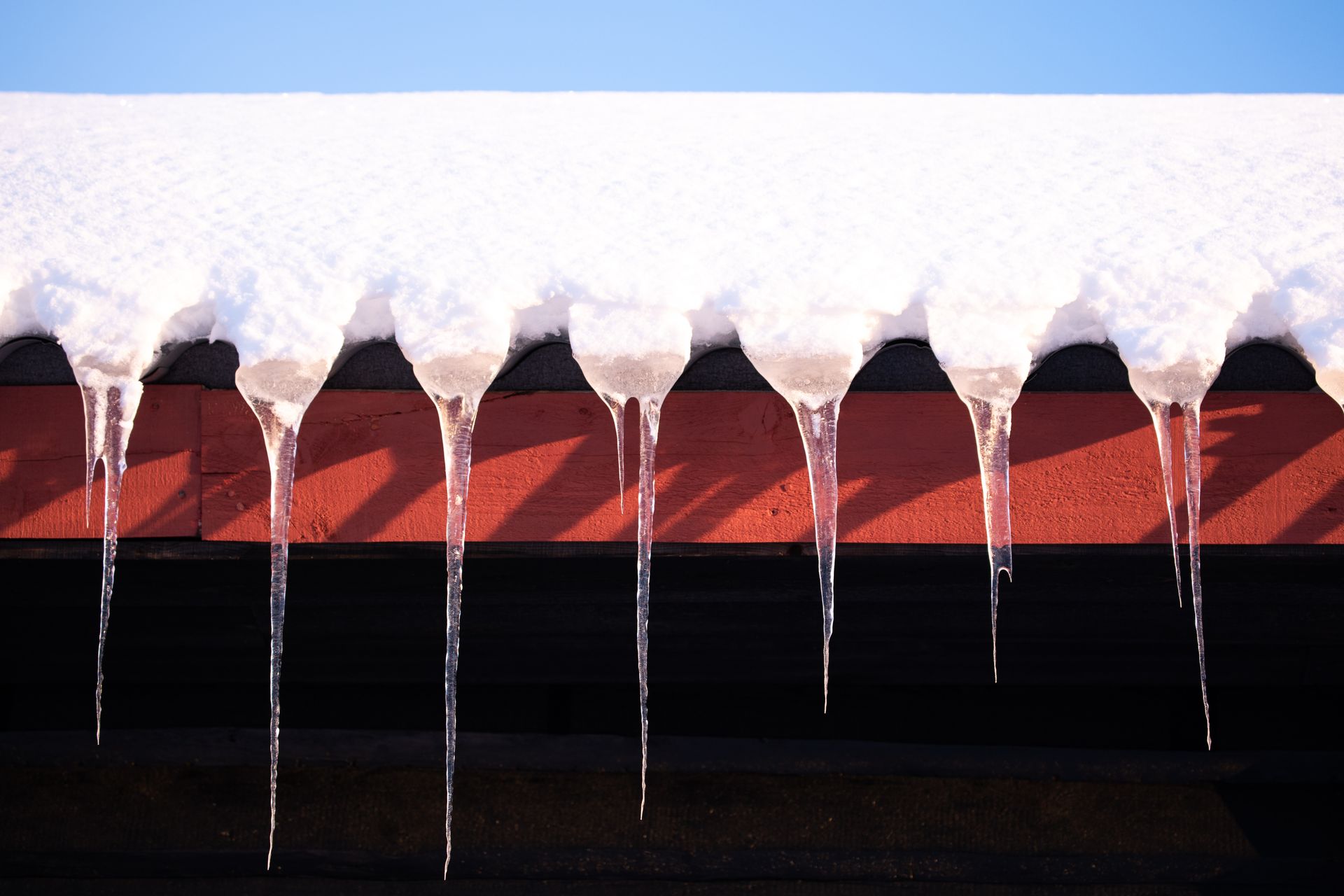
Harmless Icicles Look Like This:
Small to medium-sized icicles hanging individually or in small clusters, icicles that are relatively uniform in size along your roofline, formations that hang straight down from gutter edges, ice that doesn't extend far back onto your roof surface, and icicles that form after sunny days and may disappear during warmer periods. These icicles usually indicate normal winter conditions and proper drainage.
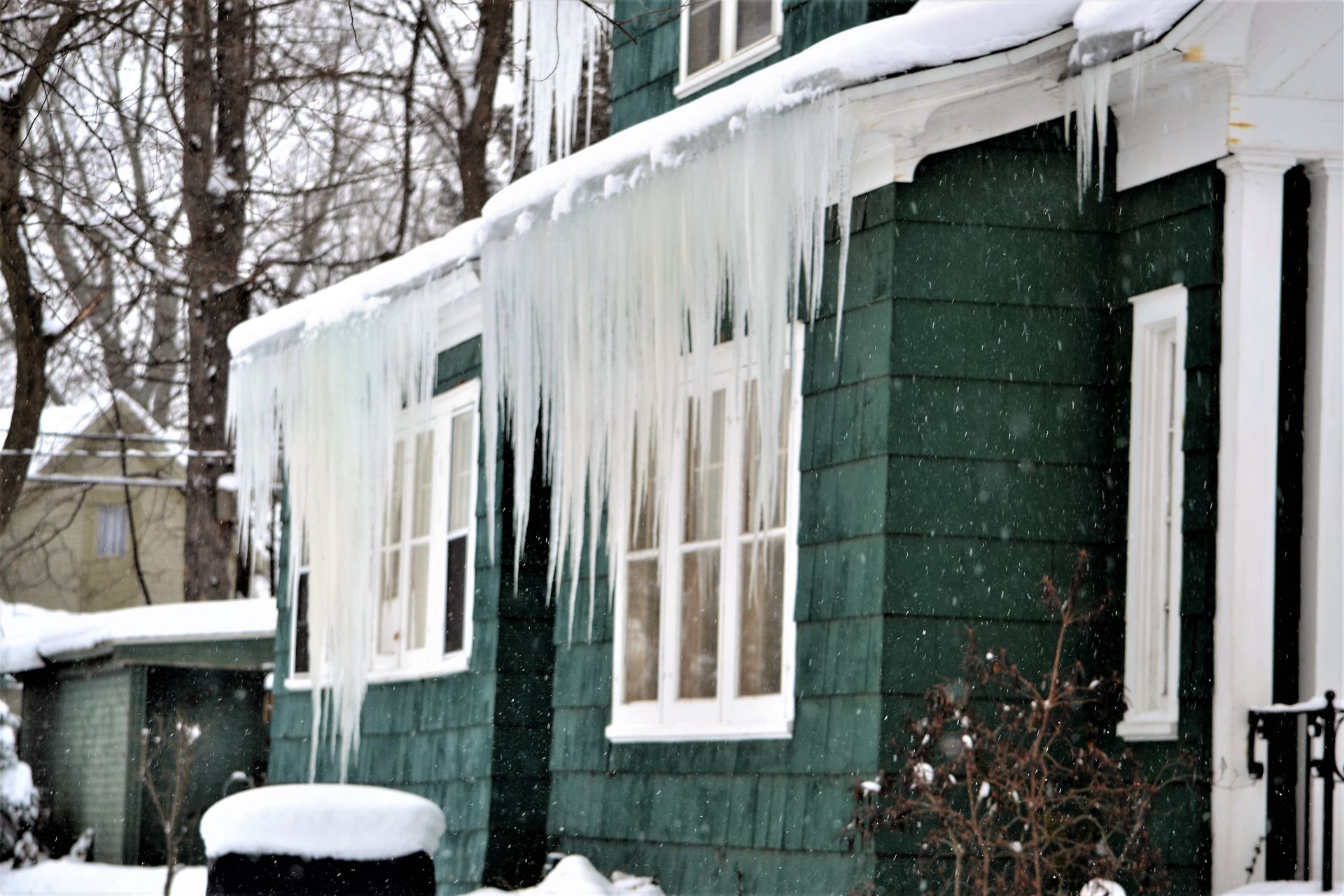
Ice Dams Look Like This:
Large, thick ridges of ice running along your entire roofline, ice that extends several inches or even feet back onto your roof surface, massive icicles mixed with solid ice formations at the roof edge, ice buildup that's visibly thicker in some sections than others, and ice formations between your roof and siding or behind gutters. You might also seeicicles forming between your siding and soffit, which is a clear red flag.
The most telling difference is the thickness and extent of ice. A few icicles hanging from your gutter? Probably fine. A solid wall of ice several inches thick running the length of your roof edge with ice visibly extending up onto your shingles? That's an ice dam, and it needs attention from a roofing company.
Interior Warning Signs
You don't always need to go outside to spot ice dam problems. Interior signs can actually be your earliest warning that an ice dam is causing damage. Watch for water stains appearing on ceilings near exterior walls, discoloration or dampness on walls just below the roofline, peeling paint or wallpaper in upper-floor rooms or attic spaces, a musty smell in your attic or upper rooms, and visible water dripping from ceiling fixtures or running down walls during or after snow melts.
If you notice any of these interior signs, check your roofline immediately or call a roofing contractor for an inspection. Water that's made it inside has already caused damage, and the source needs to be addressed quickly to prevent further problems.
How Ice Dams Damage Your Siding
While most people think of ice dams as primarily a roofing problem, they can wreak havoc on your home's siding as well. Understanding this connection is important because siding damage from ice dams is often overlooked until it's extensive.
When ice dams force water to back up under your shingles, that water doesn't just drip straight down. It can run along the roof deck and find its way behind your siding at the point where your roof meets your exterior walls. This is one of the most vulnerable areas of any home, and ice dam water exploits every gap and seam.
Direct Siding Damage from Ice
The ice dam itself can extend down over your siding, particularly if your gutters are full of ice. This direct contact causes several problems. The weight of solid ice can pull siding loose from your home, especially vinyl siding which is designed to have some flexibility. Ice expanding and contracting with temperature changes can crack or split siding panels, particularly in cold weather when siding is more brittle. The pressure from ice buildup can warp or buckle siding, creating permanent damage even after the ice melts.
If you see ice formations directly touching or covering your siding, that's a problem that needs addressing. The longer ice sits against your siding, the more damage accumulates.
Water Intrusion Behind Siding
This is where ice dams become particularly insidious. Water backed up by ice dams finds its way under shingles and then typically travels along the roof deck to the edges. At the point where your roof meets your walls, water can seep behind siding through gaps around trim, through seams between siding panels, under J-channels around windows and doors, and through any existing cracks or damage in caulking.
Once water gets behind your siding, several destructive processes begin. It soaks into insulation, reducing its effectiveness and promoting mold growth. It can rot the wood sheathing behind your siding. In freezing temperatures, trapped water expands and can push siding panels outward or crack them from behind. This moisture creates an environment for mold and mildew that can persist long after winter ends.
A professional roofing installer examining ice dam damage will always check the siding in affected areas because the two types of damage typically occur together.
Siding Warning Signs Related to Ice Dams
Watch for these siding-specific indicators that ice dams are causing problems. Water stains or discoloration on siding just below your roofline, siding panels that appear warped, buckled, or pulled away from the house near roof edges, ice formations visible between your siding and soffit, icicles forming from behind siding panels rather than just from gutters, paint peeling or blistering on siding near roof edges, and interior wall staining or dampness in rooms where exterior walls meet the roofline all suggest that ice dam water is affecting your siding.
These signs indicate that water from ice dams has penetrated your home's exterior envelope. This is more serious than surface water and requires professional assessment to determine the extent of damage behind visible surfaces.
The Gutter Connection
Your gutters play a crucial role in ice dam formation and the resulting damage to both roofing and siding. Clogged gutters filled with leaves and debris create perfect conditions for ice dam formation because water can't drain properly and freezes in place. Ice-filled gutters add significant weight that can pull gutters away from your home, creating gaps where water can reach siding. Overflowing gutters dump water directly onto siding during thaws, increasing moisture exposure.
When examining your roofline for ice dams, always look at your gutters too. Gutters completely filled with ice, sagging under ice weight, or separated from the roofline are all signs of serious problems that affect both your roof and siding.
Location Matters: Where Ice Dams Form
Ice dams don't form randomly. They typically appear in predictable locations, and knowing where to look helps you spot them early.
North-facing roof sections receive less direct sunlight and stay colder, making them more prone to ice dam formation. Valley areas where two roof planes meet tend to collect more snow and create concentrated water flow, increasing ice dam risk. Areas above unheated spaces like porches, garages, or overhangs are classic ice dam locations because there's no heat rising from below. Sections of roof with poor attic insulation or ventilation will develop ice dams before other areas.
Pay particular attention to these vulnerable spots during and after winter storms. These are where you're most likely to see the telltale signs of ice dam development.
The Temperature Pattern That Signals Trouble
One of the best ways to predict ice dam formation is paying attention to weather patterns. Ice dams most commonly develop during and after specific temperature sequences. After heavy snowfall when temperatures rise above freezing during the day but drop below freezing at night, you've got perfect ice dam conditions. During extended periods of fluctuating temperatures, ice dams build gradually over days or weeks. Following rapid temperature changes where warm days immediately follow cold snaps, melting snow can create significant ice dam issues.
If you notice these weather patterns and you have snow on your roof, take time to inspect your roofline. Catching ice dams in their early formation stages makes them much easier to address before they cause damage.
What to Do If You Spot an Ice Dam
If you've identified an ice dam on your home, quick action can minimize damage. First, document it with photos for insurance purposes if damage has occurred. Look for active leaking inside your home and place buckets or towels as needed. If you're comfortable doing so safely from the ground, you can carefully remove some snow from the roof edge using a roof rake, though be very careful not to damage shingles. Don't attempt to chip away ice yourself, as you'll likely damage your roof and siding in the process.
Contact a roofing contractor experienced with ice dam removal for professional help. Many roofing companies offer emergency ice dam removal services during winter. Professional removal typically involves using steam to carefully melt ice dams without damaging roofing materials.
Never use salt or chemical ice melters on your roof, they can damage shingles and harm plants and landscaping below. Don't use sharp tools to chip away ice. Don't climb on your snow-covered, icy roof. The risk of serious injury far outweighs any benefit, and you're likely to cause more damage than you prevent.
Prevention: Stopping Ice Dams Before They Start
The best approach to ice dams is preventing them entirely. This requires addressing the underlying causes rather than just dealing with symptoms each winter.
Proper attic insulation is your first defense. Adequate insulation keeps heat in your living spaces where it belongs rather than allowing it to escape into your attic and warm your roof deck. For our region, attic insulation should typically be 10-14 inches deep, though requirements vary by specific location and building codes. A roofing company can assess whether your insulation meets current standards.
Attic ventilation works hand-in-hand with insulation. Proper ventilation allows cold air to circulate through your attic, keeping the space and your roof deck cold in winter. This prevents the snow melting that leads to ice dams. Ridge vents combined with soffit vents create natural airflow that maintains proper attic temperature.
Clean gutters are essential. Gutters clogged with leaves and debris can't drain properly, causing water to back up and freeze. Clean your gutters thoroughly before winter, and consider installing gutter guards if cleaning is difficult or dangerous on your home.
Air sealing is often overlooked but critically important. Gaps around light fixtures, plumbing vents, attic hatches, and other penetrations allow warm air to leak into your attic. Professional air sealing closes these gaps and significantly reduces heat loss.
When to Call a Professional
Some ice dam situations absolutely require professional help from a roofing installer or roofing contractor. If you see ice dams forming despite having addressed insulation and ventilation, there may be underlying issues that need professional assessment. Active leaking inside your home requires immediate professional response. Extensive ice coverage across large sections of your roof is beyond DIY management. Visible siding damage in conjunction with ice dams needs professional evaluation to determine the extent of hidden damage. Recurring ice dams every winter indicate systemic problems that need expert diagnosis and correction.
Don't wait until damage is extensive. Early professional intervention costs far less than repairing water damage to your home's interior, replacing damaged roofing and siding, or dealing with mold remediation.
Long-Term Solutions
If ice dams are a recurring problem despite your preventive efforts, more comprehensive solutions might be necessary. A professional energy audit can identify exactly where heat is escaping from your home. Attic insulation upgrades might be needed to meet current standards for our region. Ventilation improvements could include adding or enlarging ridge vents, installing additional soffit vents, or adding gable vents for better airflow. In extreme cases, heated cable systems installed along roof edges can prevent ice formation, though these should be considered a last resort after addressing insulation and ventilation.
Working with a knowledgeable roofing company helps you understand which solutions make sense for your specific situation and your budget.
Protecting Both Roof and Siding
Remember that ice dam damage isn't limited to your roof. Your siding is equally vulnerable, and the connection point between your roof and walls is particularly at risk. When inspecting for ice dams or having a roofing contractor assess damage, make sure both roofing and siding are thoroughly examined. Water damage behind siding can be extensive even when exterior damage looks minor.
If ice dams have caused water intrusion behind your siding, proper remediation includes removing affected siding sections to assess and repair damage to sheathing and insulation, ensuring proper drying before closing everything back up, replacing damaged materials rather than covering them up, and addressing the insulation and ventilation issues that allowed ice dams to form in the first place.
The Bottom Line
Not all icicles mean you have ice dams, but understanding the difference is crucial for protecting your home. Small icicles that form and melt with temperature changes are normal. Thick ridges of ice extending up onto your roof, massive icicle formations, ice between your siding and soffit, and interior water stains all indicate ice dams that need attention.
Ice dams damage both roofing and siding, often simultaneously. The water that backs up under your shingles finds its way behind your siding, causing problems you might not see until significant damage has occurred. Quick identification and professional response minimize damage and costs.
Most importantly, ice dams are preventable. Proper attic insulation and ventilation, combined with good gutter maintenance, eliminate the conditions that cause ice dams. If you're seeing ice dams every winter, the solution isn't just removing ice, it's fixing the underlying problems.
Get Professional Help
If you're unsure whether you're looking at harmless icicles or problematic ice dams, or if you've identified ice dam damage that needs attention, don't wait. Professional assessment helps you understand what's happening and what needs to be done.
E&E Exteriors serves homeowners throughout West Virginia, Maryland, Pennsylvania, and Virginia with expert roofing and siding services. We understand ice dam formation in our region, we know how to safely remove ice dams without damaging your home, and we can assess and repair damage to both roofing and siding. Contact us today for an inspection and let's make sure your home is protected from ice dam damage this winter and beyond.
E&E Exteriors: Protecting your home through every season.